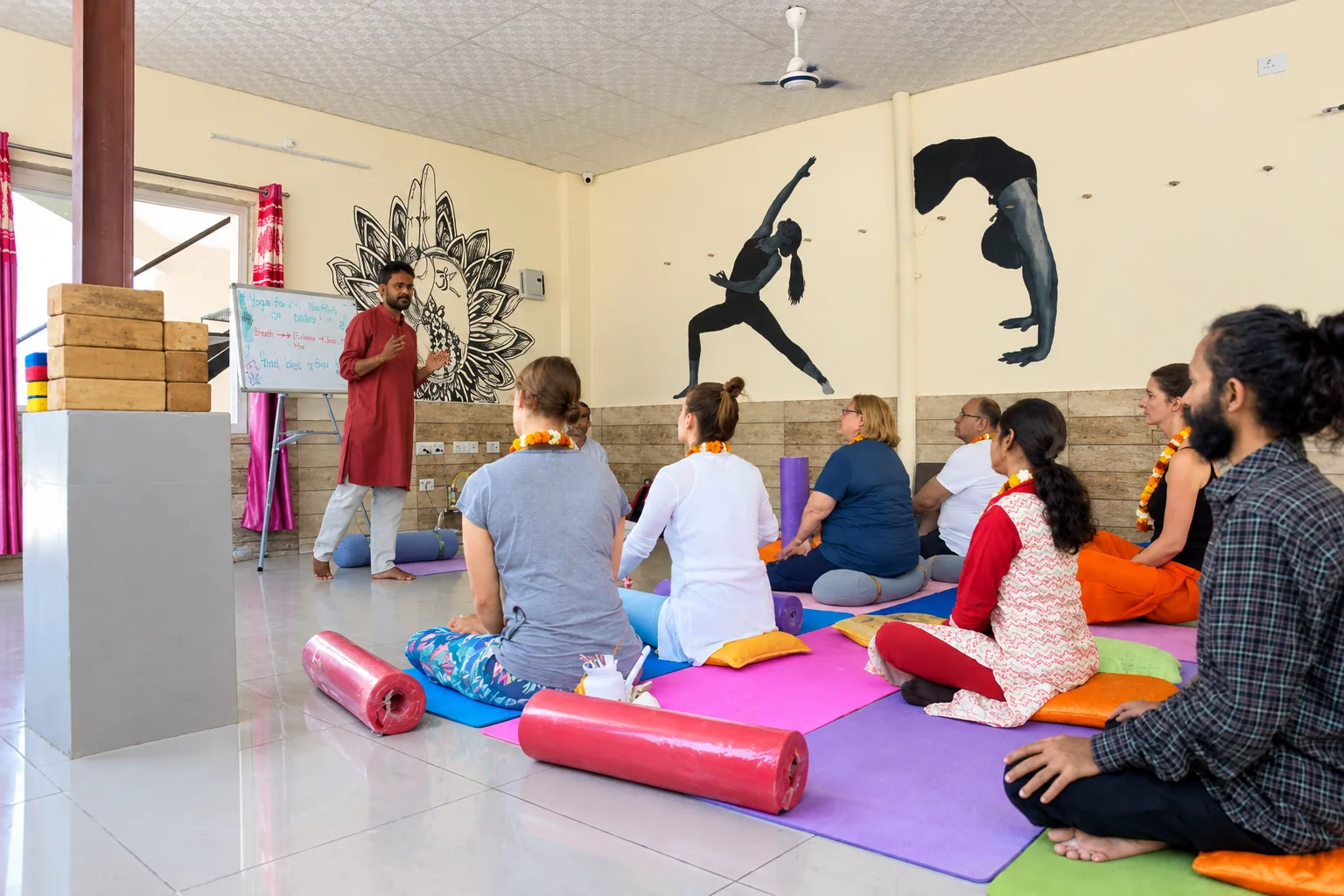


daily yoga benifita
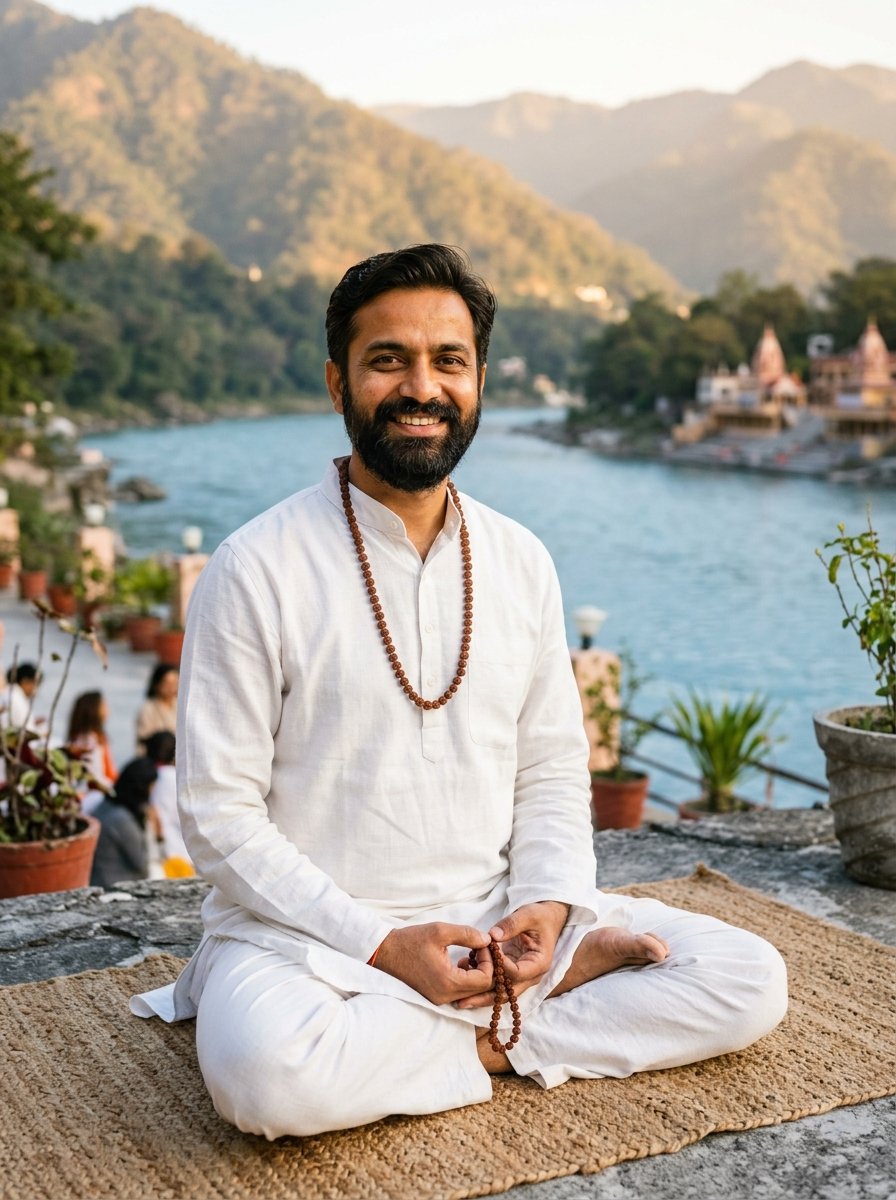
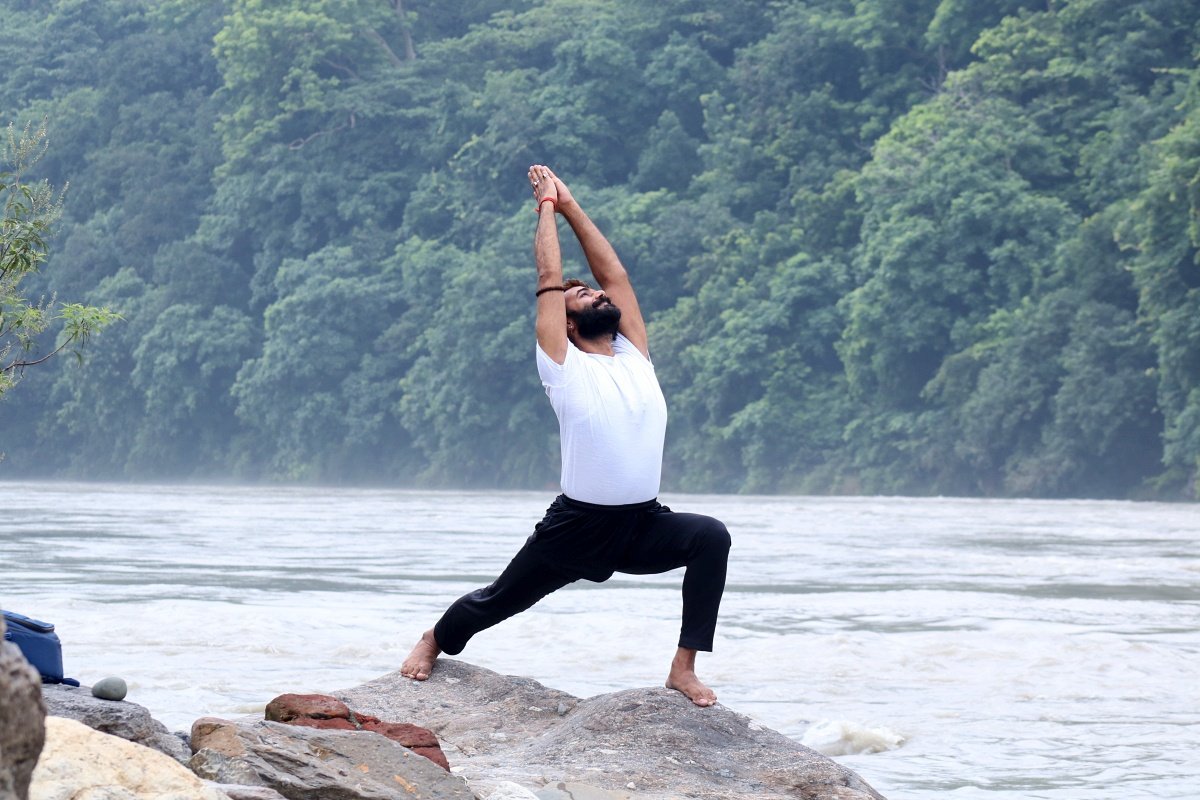
Yoga is more than a collection of physical postures. It is a holistic practice that combines movement, breathing, awareness, balance, and relaxation. Practicing yoga regularly can become a simple way to care for your physical health and create more space for calm and focus in everyday life.
You do not need to spend hours on a yoga mat to experience the value of consistency. Even a short, comfortable daily practice can help you develop mobility, body awareness, strength, and a calmer relationship with stress. The key is choosing a practice that fits your current ability and maintaining it consistently.
What Is Daily Yoga?
Daily yoga means intentionally setting aside time each day for yoga-based movement, breathing, meditation, or relaxation. A daily practice can be as short as 10–15 minutes or as long as an hour, depending on your goals, experience, schedule, and energy level.
Daily yoga does not mean performing intense poses every day. Some days may involve a stronger flow, while other days may be better suited to gentle stretching, breathing exercises, restorative poses, or meditation.
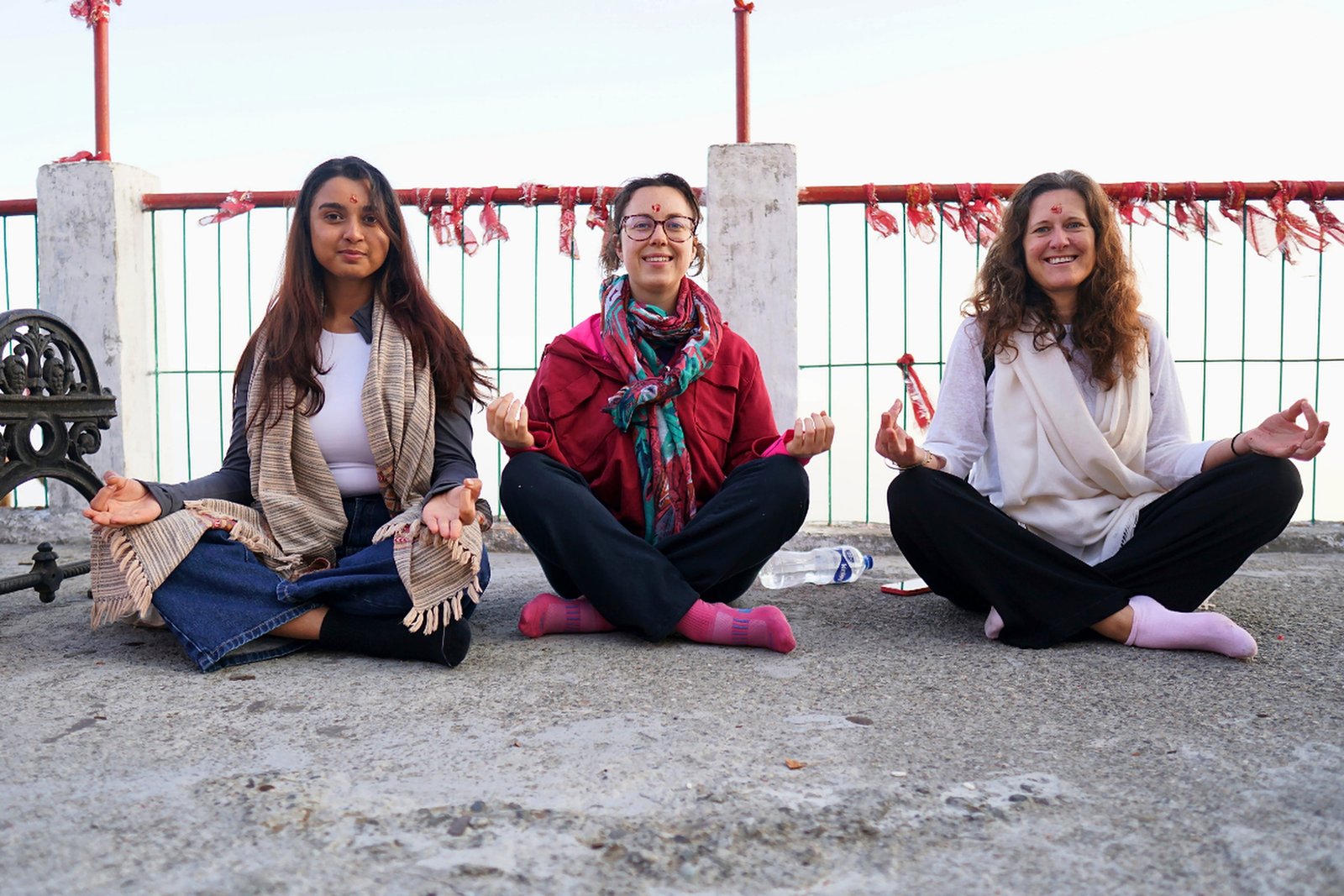
10 Major Benefits of Practicing Yoga Every Day
1. Improves Flexibility and Mobility
Regular yoga gently moves the body through different ranges of motion. Over time, consistent practice can help improve flexibility and joint mobility, making everyday movements such as bending, reaching, sitting, and walking feel more comfortable.
2. Builds Functional Strength
Many yoga poses require you to support and stabilize your body using your legs, arms, shoulders, back, and core. A consistent practice can help develop muscular endurance and functional strength without requiring traditional gym equipment.
3. Supports Better Posture
Yoga encourages awareness of spinal alignment, the shoulders, pelvis, and head position. Strengthening the core and upper body while becoming more aware of posture may help you develop healthier movement habits throughout the day.
4. Helps Manage Everyday Stress
Yoga often combines physical movement with slow, controlled breathing and mindful attention. These elements can create a structured pause from daily demands and may help support relaxation and stress management.
5. Encourages Better Sleep
Gentle evening yoga, breathing exercises, and relaxation practices can help create a calming bedtime routine. For some people, reducing physical tension and mental stimulation before bed may support better sleep quality.
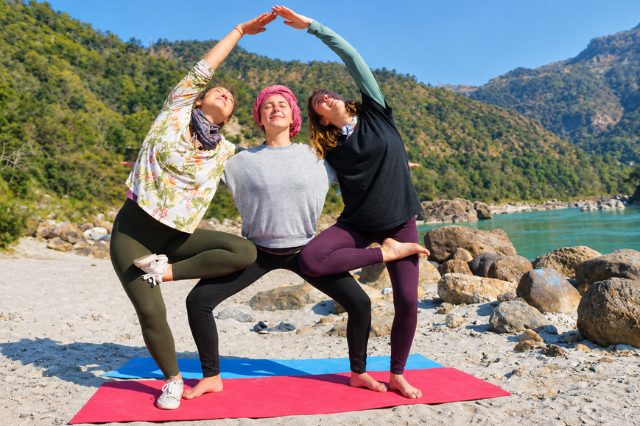
6. Improves Balance and Body Awareness
Standing poses and balance-focused movements require concentration and coordination. Practicing them regularly can improve awareness of how your body moves and how you distribute weight.
7. Supports Focus and Mental Clarity
Yoga asks you to pay attention to breathing, movement, and body sensations. This mindful approach can provide a break from distractions and help cultivate concentration.
8. Supports Healthy Breathing Habits
Breath-focused yoga practices encourage awareness of breathing patterns. Slow and controlled breathing can be a useful part of relaxation and mindfulness, although breathing practices should always be comfortable and appropriate for the individual.
9. Encourages Consistency and Healthy Habits
A short daily practice can be easier to maintain than an occasional long workout. Creating a regular yoga habit can also reinforce the broader idea of making time for personal well-being.
10. Promotes Overall Well-Being
Yoga brings movement, breathing, awareness, and relaxation together. For many people, this combination makes yoga a practical addition to a balanced lifestyle rather than simply another form of exercise.
Physical Benefits of Daily Yoga
Greater flexibility and mobility
Improved muscular endurance and functional strength
Better balance and coordination
Greater body awareness
Support for healthy movement patterns
A gentle way to stay physically active
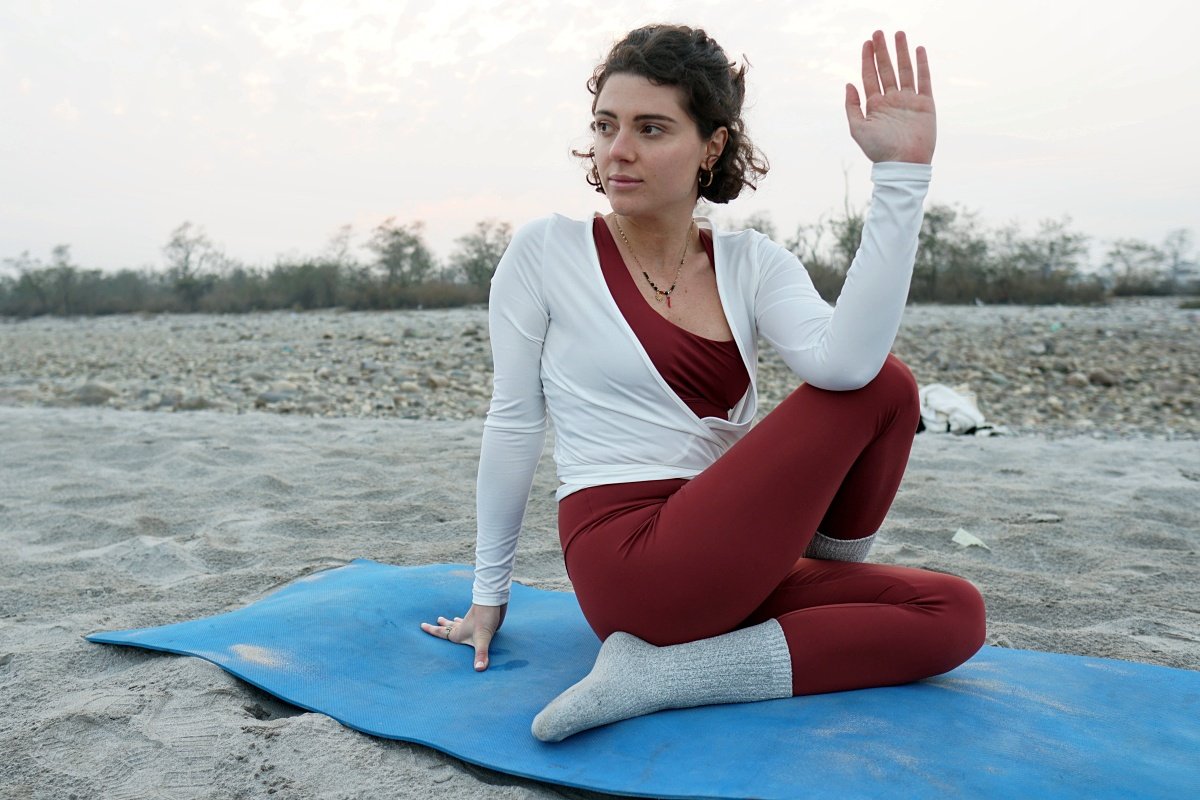
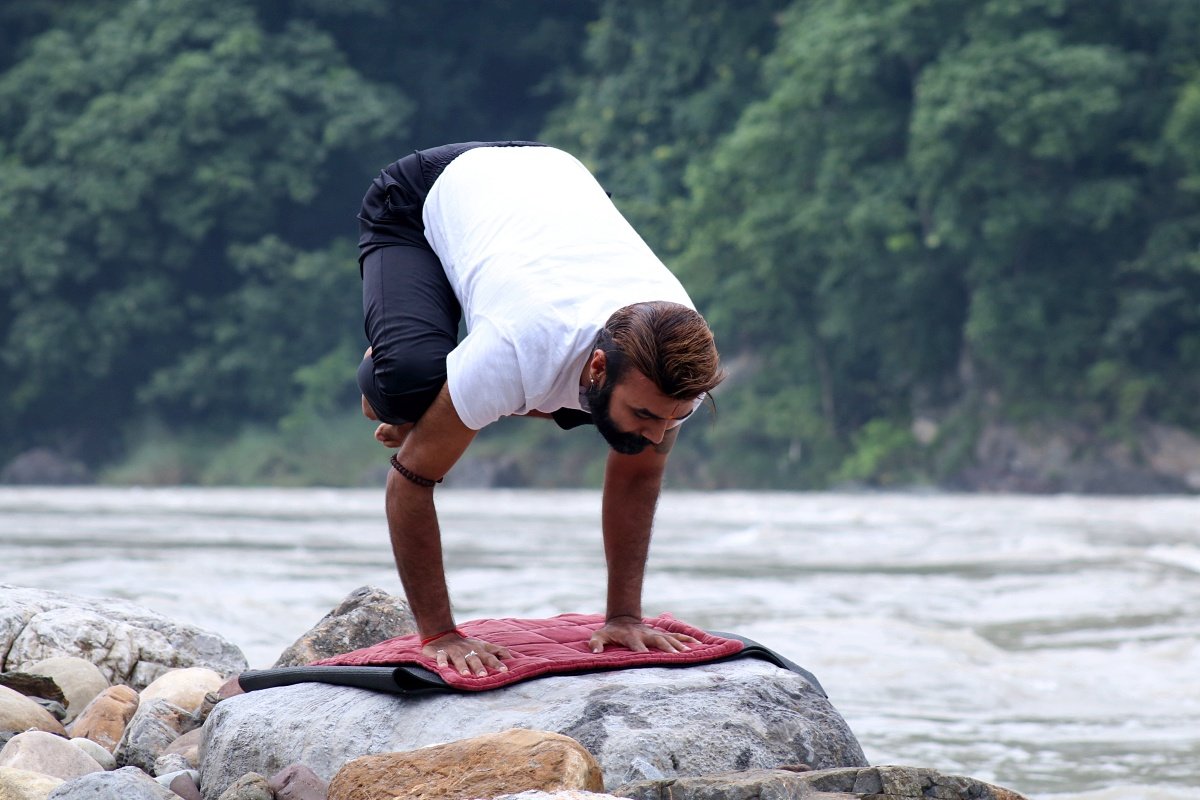
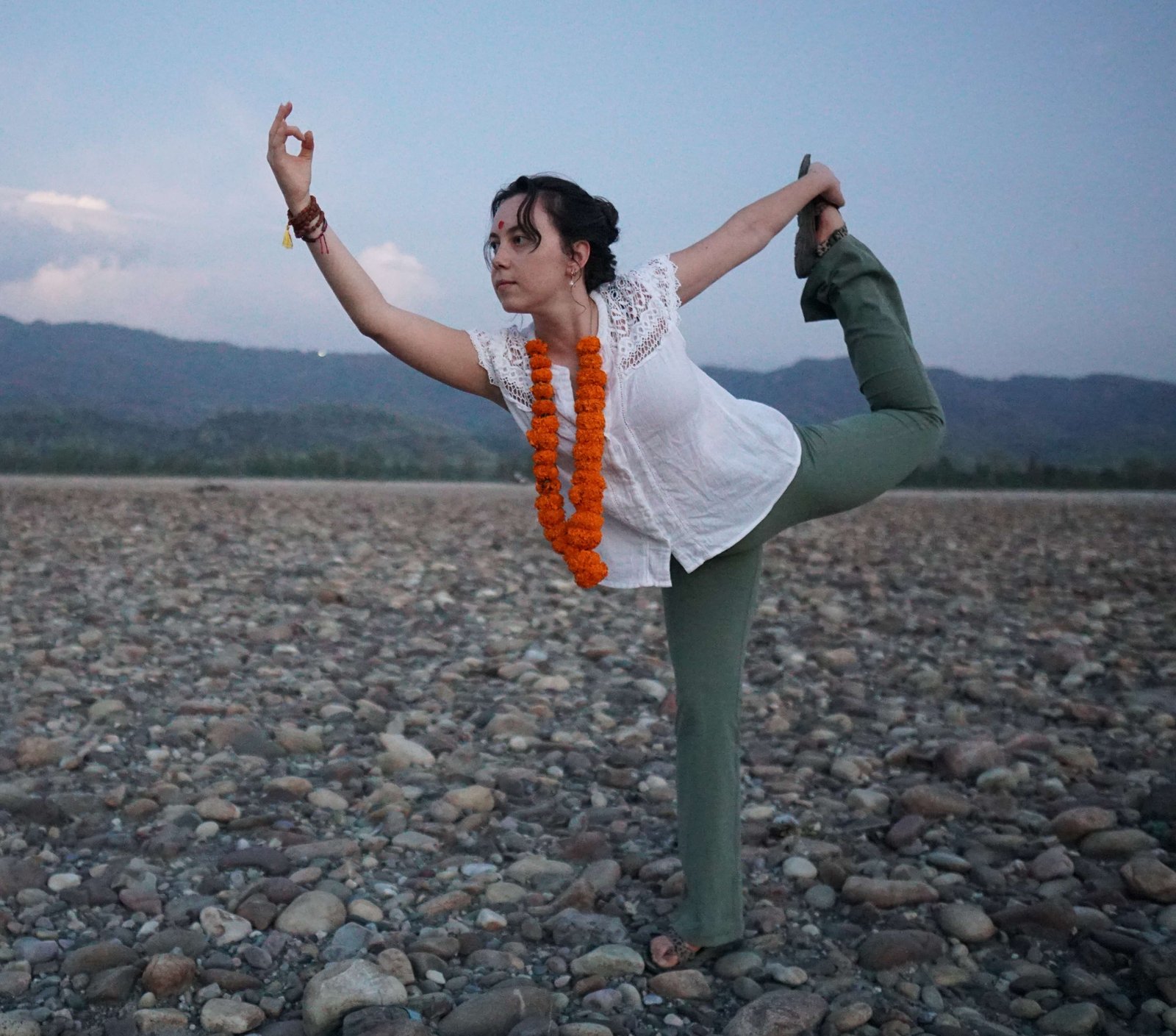
Mental and Emotional Benefits of Daily Yoga
Yoga can also support mental and emotional well-being. A practice that combines movement with mindful breathing can give you a dedicated period away from screens, work, and other distractions.
May help with everyday stress management
Encourages mindfulness and present-moment awareness
Can provide a calming transition between activities
May support concentration and mental clarity
Can create a relaxing self-care routine
Best Time to Practice Yoga
There is no single perfect time to practice yoga. The best time is the one you can follow consistently.
Morning: A gentle morning practice can help you wake up, move your joints, and start the day with intentional breathing and awareness.
Afternoon: A short session can provide a movement break after long periods of sitting or working.
Evening: Gentle stretches, restorative poses, and breathing exercises can help you transition into a calmer evening routine.
A Simple 15-Minute Daily Yoga Routine
2 minutes: Comfortable breathing and settling into the practice
3 minutes: Gentle neck, shoulder, and spinal movements
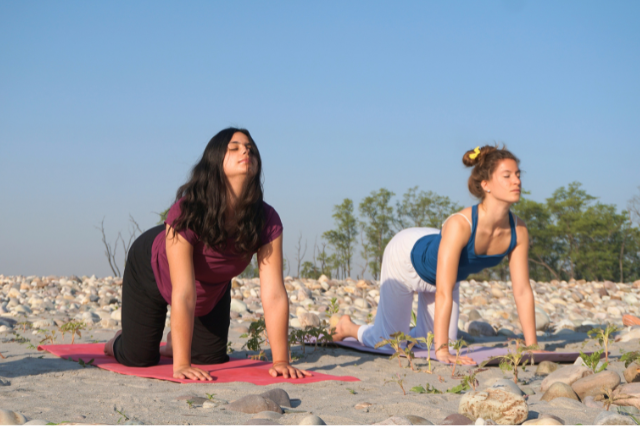
3 minutes: Cat-Cow and gentle mobility work
3 minutes: Simple standing poses such as Mountain Pose and Warrior variations
2 minutes: Gentle forward fold or seated stretches
2 minutes: Relaxation and slow breathing
How to Make Yoga a Daily Habit
Start with 10–15 minutes instead of trying to do a long session immediately.
Practice at roughly the same time each day.
Keep your yoga mat visible and ready to use.
Choose routines that match your energy level rather than forcing intensity.
Track consistency rather than perfection.
Include rest and gentle sessions when your body needs them.
Learn proper alignment from a qualified teacher when trying unfamiliar or challenging poses.
Common Mistakes to Avoid
Trying to progress too quickly: Flexibility and strength develop gradually. Avoid forcing your body into a pose.
Comparing yourself with others: Yoga is personal. Your range of motion and experience may be different from someone else's.
Ignoring pain: Mild stretching sensations can be normal, but sharp, severe, or persistent pain is a reason to stop and seek appropriate advice.
Doing only intense sessions: A balanced practice can include mobility, strength, breathing, relaxation, and recovery.
Focusing only on physical poses: Breathing, awareness, and relaxation are important parts of yoga as well.
Yoga for Beginners: Where Should You Start?
If you are new to yoga, begin with basic movements and learn how to breathe comfortably while maintaining stable, pain-free positions. Beginner-friendly practices such as gentle Hatha yoga, mobility-focused sessions, and restorative yoga can be good starting points. A qualified yoga teacher can help you understand alignment and adapt poses to your needs.
Can You Do Yoga Every Day?
Many people can practice some form of yoga every day, but the intensity should vary according to your body, experience, recovery, and overall health. Daily yoga does not have to mean daily intense exercise. Gentle mobility, breathing, meditation, or restorative practices can be appropriate on lighter days.
Frequently Asked Questions
How long should I do yoga every day?
There is no universal requirement. A consistent 10–20 minute practice can be a useful starting point, while longer sessions can be added as your schedule and experience allow.
Is 15 minutes of yoga a day enough?
Fifteen minutes can be a practical and sustainable starting point. The benefits depend on the type of practice, consistency, and your individual goals.
What happens if I do yoga every day for a month?
You may notice changes in flexibility, mobility, body awareness, balance, and your ability to maintain a regular wellness routine. Results vary between individuals.
Is yoga better in the morning or at night?
Neither is universally better. Morning yoga can help you start the day with movement and awareness, while gentle evening yoga may help you wind down.
Can beginners do yoga every day?
Beginners can often practice gentle yoga regularly, but intensity should be appropriate to their experience and recovery. Rest when needed and avoid pushing through pain.
Does yoga help with stress?
Yoga can be a useful tool for stress management, particularly when movement is combined with slow breathing, mindfulness, and relaxation.
Can yoga improve flexibility?
Regular yoga can help improve flexibility and mobility over time, especially when practiced consistently and without forcing range of motion.
Should I do yoga when I am sore?
Gentle movement may feel comfortable for some people, but intense exercise should be avoided when soreness is significant. If pain is severe or unusual, seek professional guidance.
Frequently Asked Questions
Q1. Can beginners do this practice daily?
Q2. What is the best time to practise?
Siddhant School of Yoga Admin
Yoga Master & Ashram Guide
Dedicated to sharing traditional yogic sadhana, Vedic philosophy, and authentic Himalayan spiritual practices at Siddhant School of Yoga in Rishikesh, India.